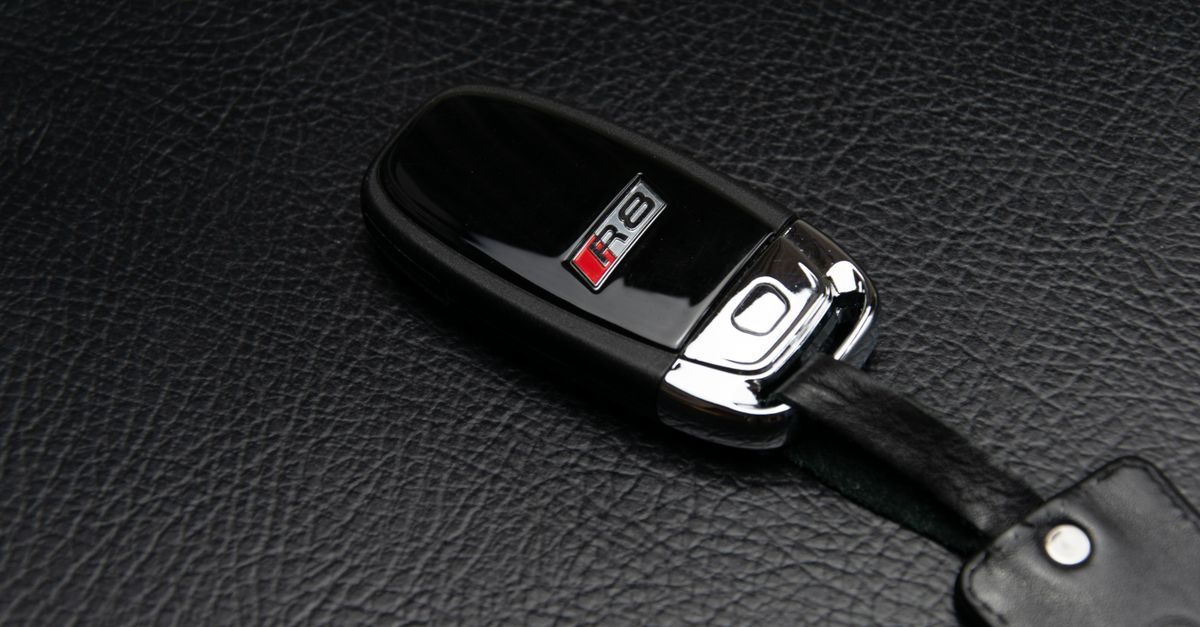
Understanding Audi Key Technology — What You Are Actually Replacing
Audi has used several distinct key systems over the years, and the differences matter significantly when it comes to replacement. Older Audi models use a basic transponder key: a mechanically cut blade with an embedded microchip that must be programmed to your car's immobilizer module. If that chip is not coded to match your vehicle's ECU, the engine will crank but refuse to start. Mid-generation models moved to a flip-style remote key that combines a folding blade with integrated remote locking and a transponder. More recent Audi models — particularly from the A6, Q7, and e-tron lineup — use a proximity smart key, sometimes called a keyless-go or Advanced Key, which allows push-button start without inserting anything into the ignition. Each generation requires a different cutting specification and a different programming protocol, which is why a one-size-fits-all approach simply does not work with Audi vehicles.
Audi also uses the Megamos 48 transponder chip family on many models, one of the more secure immobilizer systems in any production vehicle. Programming a replacement for this system requires specialized equipment capable of reading the vehicle's immobilizer data and writing a new key identity — something our experienced technicians are equipped to do on-site. Whether your key was lost, stolen, damaged by water, or simply stopped working after a battery change, we diagnose the root cause before cutting and programming so you leave with a fully functional replacement, not just a key-shaped piece of metal.