Why a commercial locksmith job isn't just a bigger residential one
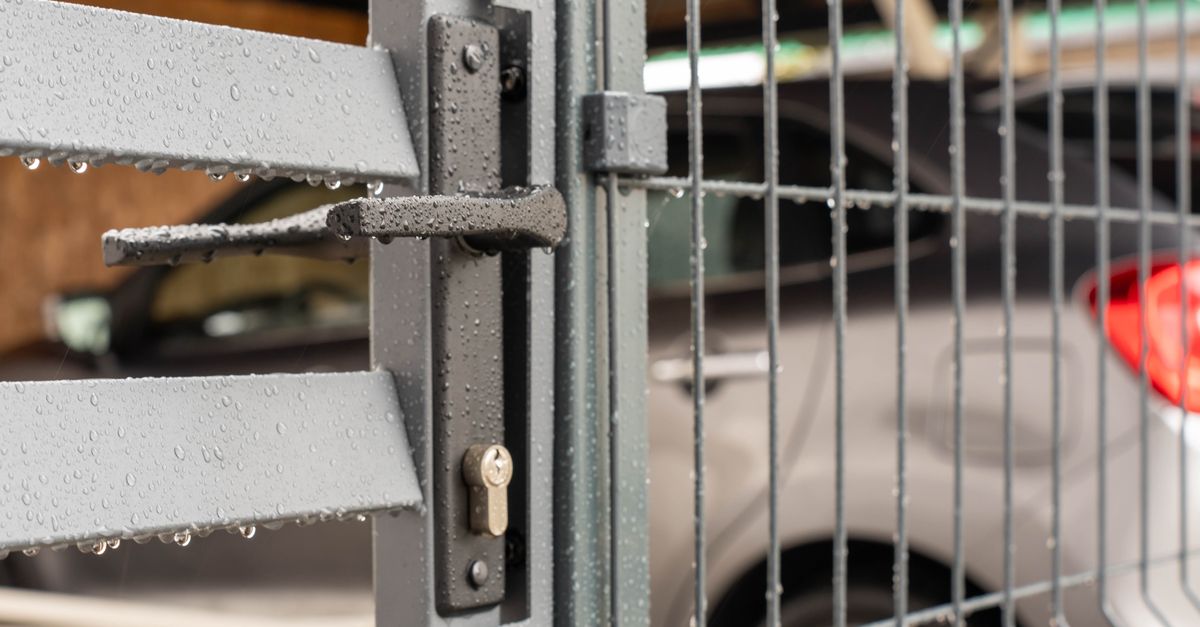
A busy café near Kensington Market can cycle its front door hundreds of times a day, and a mortise lock built into a solid commercial door takes punishment that a residential door knob lock would never survive. That is the first reason business work differs from home work: the hardware itself is heavier, held to tougher fire and egress codes, and designed for far higher frequency of use. When we quote a commercial job, we are thinking about door weight, closer tension, strike alignment and whether the opening needs to stay compliant with exit requirements — not just whether a key turns.
The stakes are also higher after hours. A locked-out homeowner is inconvenienced; a locked-out restaurant that cannot open at 11 a.m. is losing revenue by the minute, and a jammed exit device on a packed venue is a safety problem. That is why our emergency commercial locksmith response is built around speed and damage-free entry wherever the hardware allows — we would far rather pick, bypass non-destructively or manipulate a cylinder than drill a lock you will have to replace. We verify that you have authority over the premises before we open anything, which protects you and us.
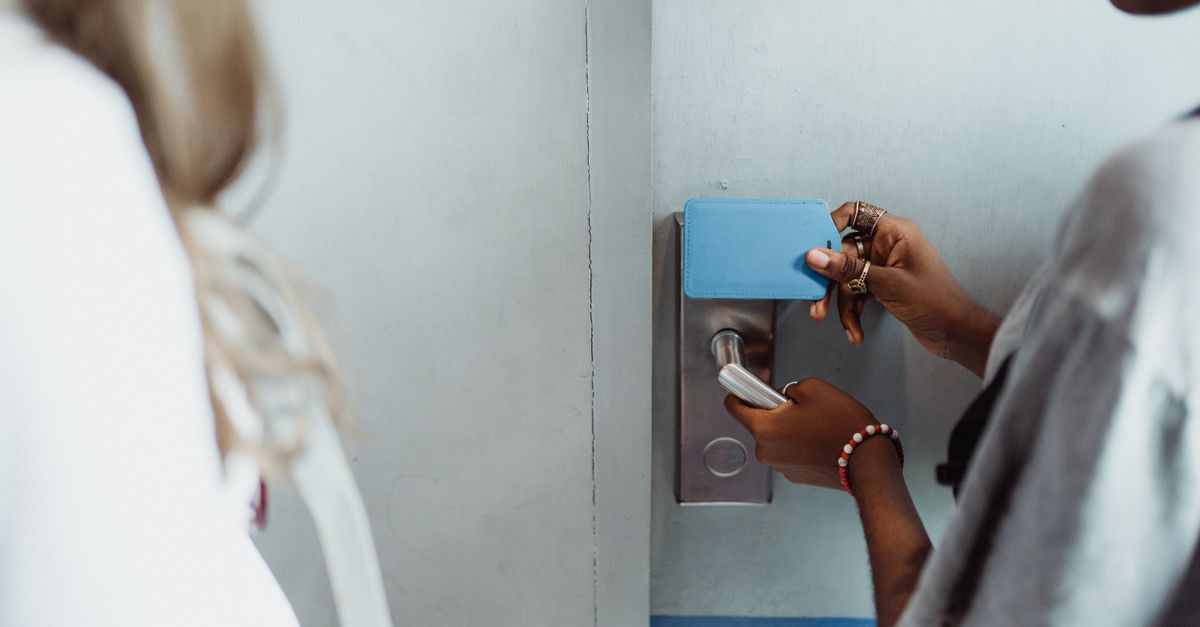
Finally, commercial buildings involve more stakeholders. Property managers, tenants, cleaning crews, delivery drivers and contractors may all need some level of access, and keeping that organized is a core part of what a commercial locksmith does. We help you design a key hierarchy that gives the right people the right access and nobody the keys to everything by accident.